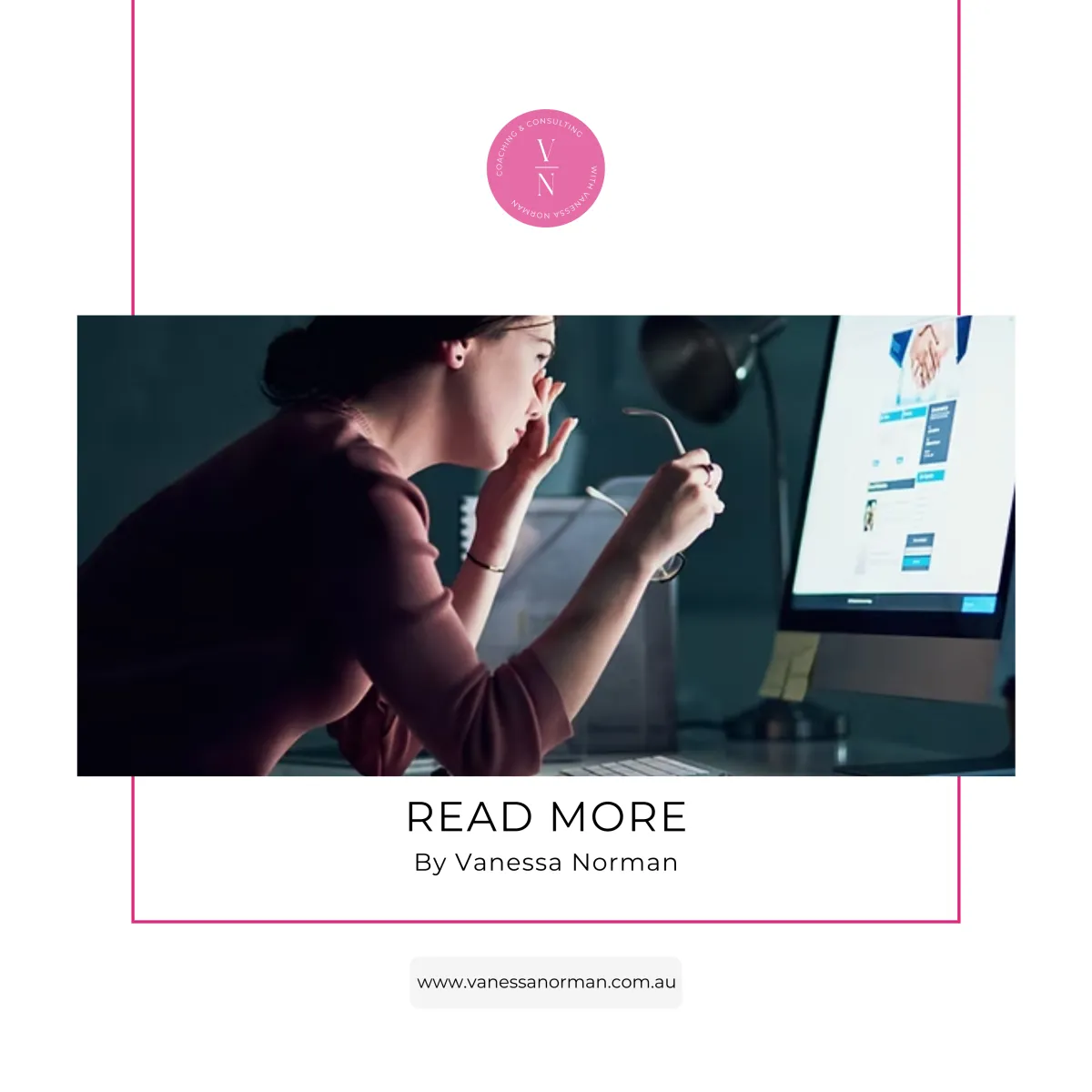
Is Your Website Accessible
Why NDIS Providers Must Do Better
Let’s be real. Not all website designers are equal.
In the disability sector, your website is often the first point of contact for participants, families and professionals trying to reach you. It is your digital front door. Yet many of those doors are locked for the very people you are meant to serve.
I am lucky enough to work closely with a couple of incredible blind women in this space, including one who is a brilliant support coordinator. She is exceptional at what she does. But she faces the same frustrating barriers over and over again. Provider websites that are completely inaccessible to screen readers. CRM systems that cannot be navigated with adaptive technology. Forms that look beautiful but are impossible to complete without sight.
When your business serves people with disability, inaccessibility is not a small oversight. It is exclusion.
A Paid Plug In Is Not the Solution
Too many businesses are treating accessibility like an afterthought. They buy a paid plug in, install it, and assume they have solved the problem.
But here is the truth. Those plug ins often make things worse. They can confuse screen readers, create overlapping text, and make navigation more complicated instead of more inclusive.
Accessibility is not a product you buy once. It is a process. It requires thoughtful design, testing and collaboration with people who actually use assistive technology every day.
If you are serious about inclusion, your website needs to be built with accessibility woven in from the beginning, not bolted on as a last minute fix.
Why Accessibility Matters for NDIS Providers
Accessibility is not just about compliance. It is about integrity.
If you work in the disability sector, your digital presence should reflect your values. You would never build a new office without a ramp or accessible bathroom. Your website should be no different.
When a blind or deaf person cannot navigate your site, you are effectively closing the door on them. They cannot read your service list. They cannot find your contact details. They cannot access your NDIS registration information or make a referral.
That is not inclusion. That is neglect.
While accessibility standards for providers are not yet legislated, they absolutely should be. Especially for a sector built on equality, respect and access for all.
The Bigger Problem: Software and Systems
It is not just websites that are causing problems. Many NDIS CRM platforms and industry tools are also inaccessible.
This means that providers with visual or hearing impairments are locked out of using the same business management systems as everyone else. They cannot update participant notes, manage rosters or complete reports independently.
And let’s be very clear. A blind person should never have to pay a CRM company extra to make the system accessible for them. Accessibility is not an upgrade or a premium feature. It is a basic human right.
When software companies create systems that are not accessible, they are excluding talented professionals from contributing their skills. And that is a loss for the entire sector.
We need a stronger push for accessibility to become a minimum requirement, not a luxury feature.
What You Can Do Now
If you are unsure whether your website is accessible, it probably is not.
Here is what you can do today to change that.
1. Have Your Website Audited
Reach out to DASAT (Digital Accessibility Skills and Training) and have your website properly audited. They specialise in accessible web design and understand the practical needs of people who use assistive technology.
2. Build Accessibility In, Not On
If you are creating or redesigning your website, make accessibility part of the build from the start. Ask your designer to follow the Web Content Accessibility Guidelines (WCAG) and to test every page using screen readers.
3. Involve People With Lived Experience
Nothing replaces feedback from real users. Include blind and deaf people in your testing process. Ask them to navigate your site and tell you what works and what does not.
4. Hold Your Vendors Accountable
If your CRM or software system is inaccessible, speak up. Ask the company what they are doing to meet accessibility standards. Push for change.
Accessibility Is Not Optional
For the NDIS sector, accessibility should be legislated. It should not be left to choice or budget.
We cannot keep building websites that exclude the very people our services exist to support.
Accessibility is not just about technology. It is about dignity. It is about making sure that every person, regardless of ability, can find you, contact you and use your services without barriers.
So, ask yourself this simple question today.
Is my website accessible?
If you do not know, that is your sign to find out.
We cannot talk about inclusion if our websites, systems and tools are built to exclude. Accessibility is everyone’s responsibility, and in our sector, it should be non negotiable.
Invest in accessibility. Not because you have to, but because it is the right thing to do.
And if you are not sure where to start, reach out to DASAT at https://dasat.com.au/ and let them help you audit, educate and build an online presence that truly reflects your values.
Because inclusion should never stop at your front door. It should live in every click, every page and every connection you make.


